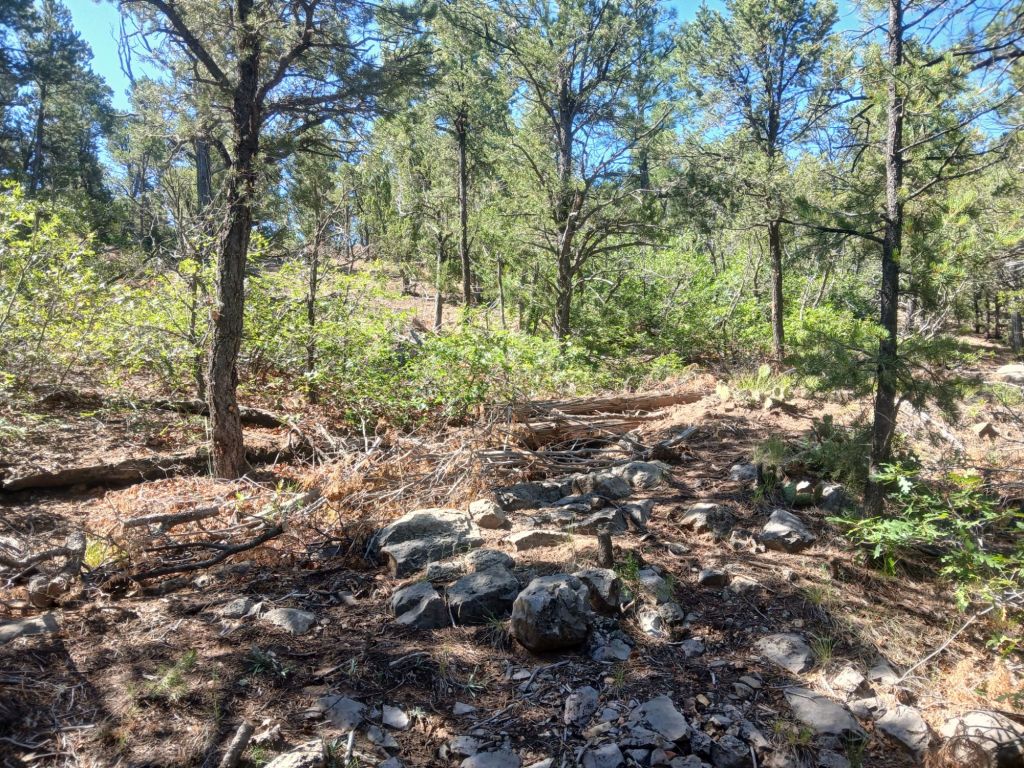
The images below represent the majority of our pinon, juniper, ponderosa woodlands in New Mexico today….

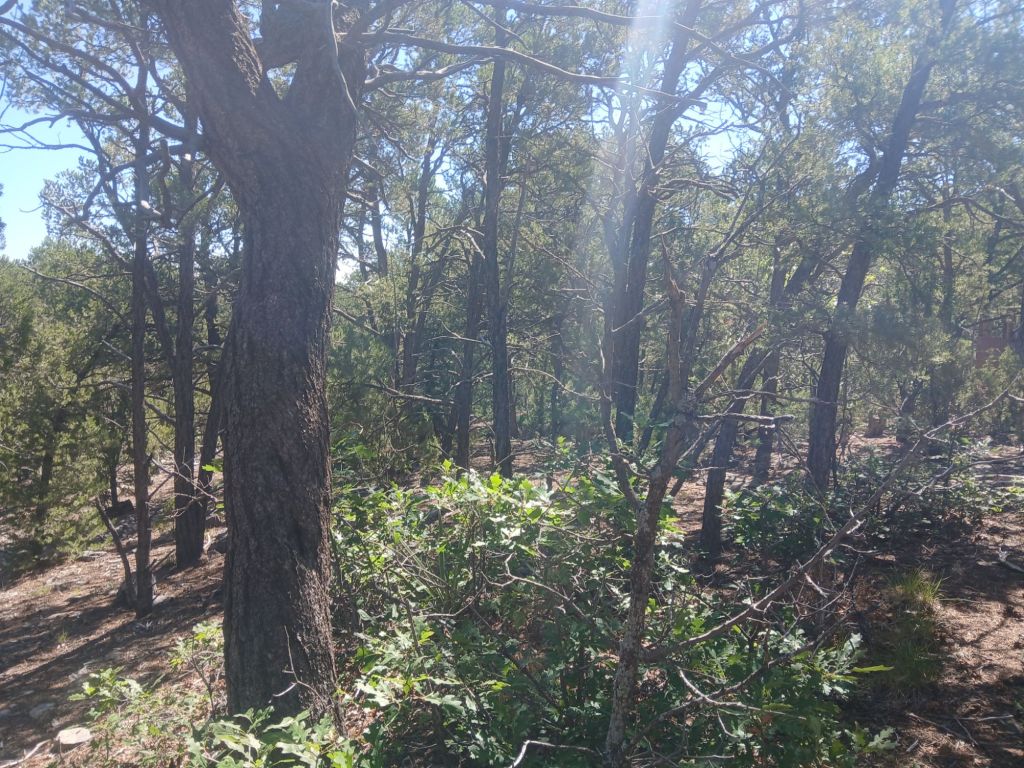
These woods once would have looked like park lands, with trees larger and fuller than any we see now and with lush grasses covering the forest floor. Humans had a significant role to play in this, as propper grazing and burning practices helped to regenerate the soils and keep the trees growing in healthy succession of one another.
The relatively recent practices of fire supression, overgrazing and old growth logging have left forests looking like the ones above: scraggly and overgrown, with few grasses and an abundance of ladder fuels that create a massive potential for devastating crown fires to occur.
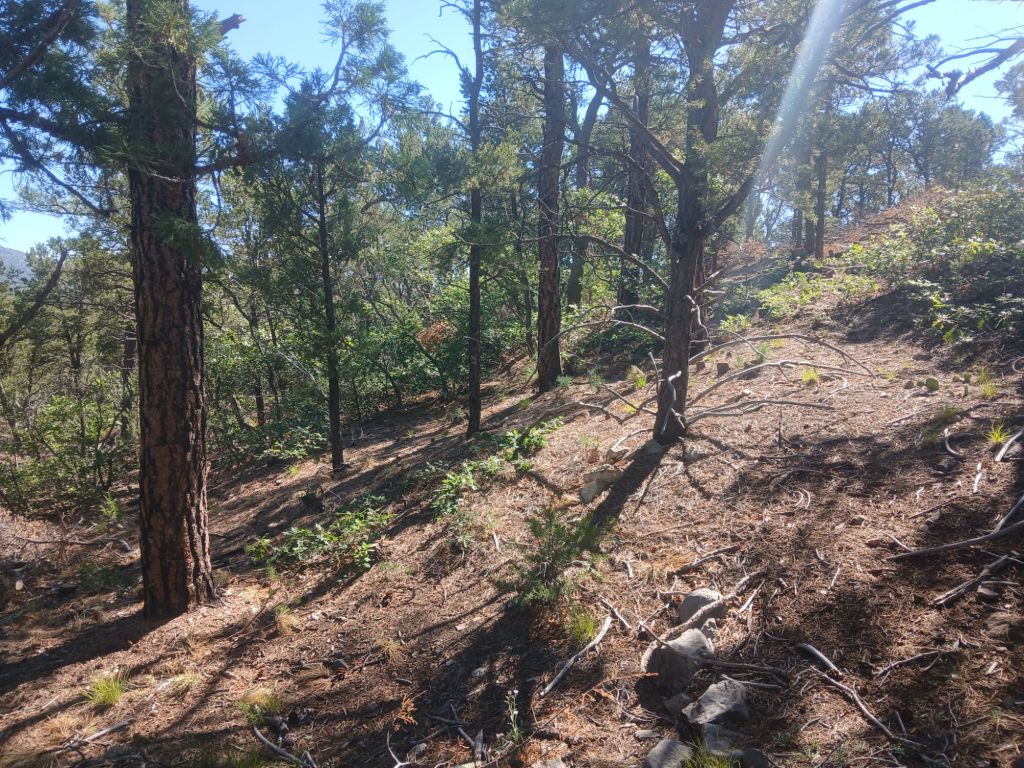
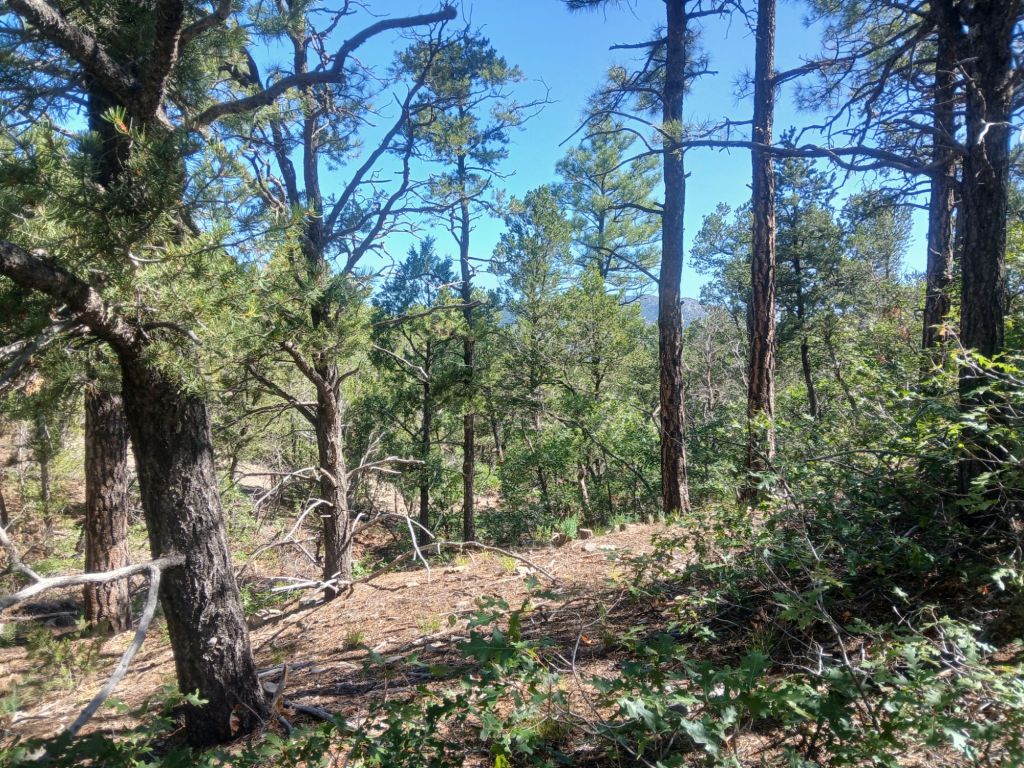
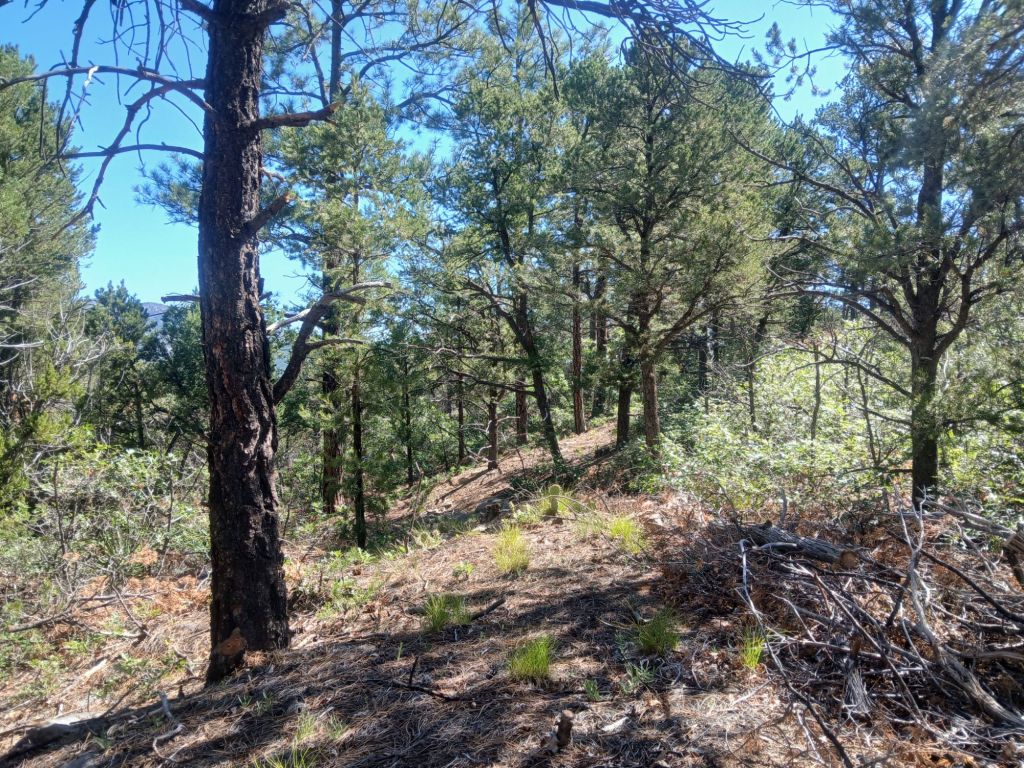
The four images above show areas of forest, in close proximity to the previous ones shown, that I thinned about 6 months prior to the images being taken. Here, you can see that the trees are well spaced and relatively healthy compared to the ones in the previous photos. There are new grasses beginning to emerge where they were not growing before, and there are few to no ladder fuels to speak of. These forests that have been treated with propper forest thinning practices offer much safer and and rewarding habitat for wildlife, landowners and the trees themselves; risk of crown fire is greatly reduced, animals, birds and humans can move freely, grasses can flourish and the trees can grow without competition for sunlight, nutrients and water.
 El Centro Forestry LLC